Once a year, Bali does something extraordinary: it stops.
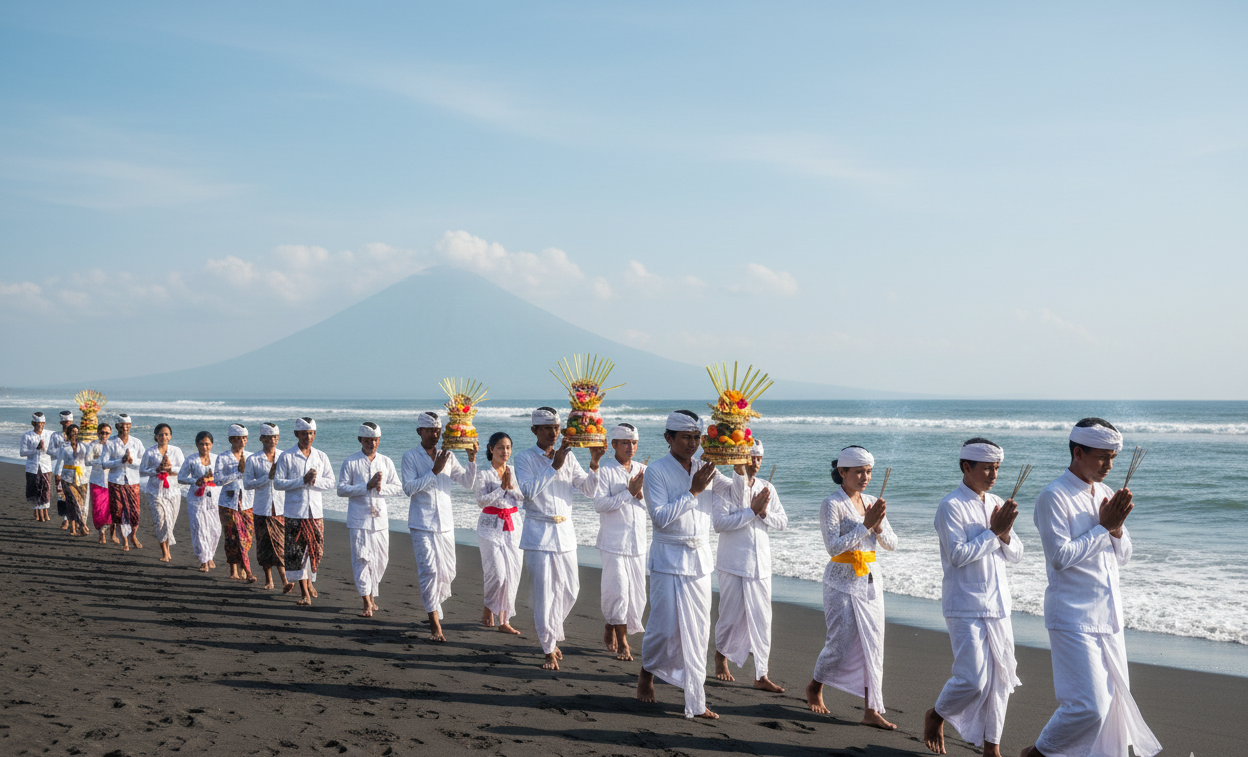
Nyepi, the Balinese Day of Silence marking the Hindu New Year in the Saka calendar, transforms the entire island into a space of stillness. For twenty-four hours, roads are empty, beaches deserted, lights dimmed and even the international airport closes. Movement ceases. Noise disappears. Time seems to suspend itself.
In 2026, the Ogoh-Ogoh processions will take place on March 18, on the eve of Nyepi. The Day of Silence will begin at 6 a.m. on March 19 and conclude at 6 a.m. on March 20, marking the island’s sacred transition into renewal.
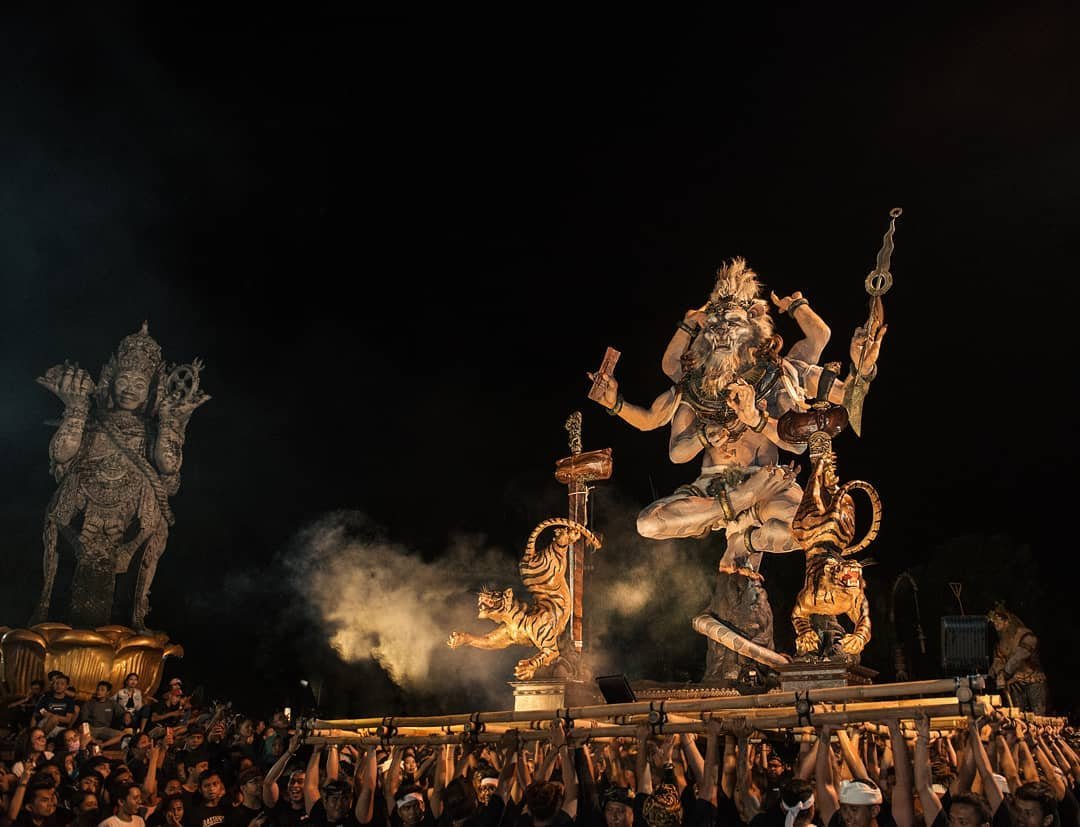
Ogoh Ogoh parad: The ritual before the quiet
On the eve of Nyepi, the island vibrates with energy. Villages prepare and parade towering Ogoh-Ogoh — elaborate effigies representing negative forces and cosmic imbalance. Carried through the streets in dramatic processions accompanied by traditional gamelan music, these sculpted figures embody chaos before renewal.
By night’s end, they are symbolically destroyed or burned, clearing the unseen realm of disruptive energies. Only then can the island enter its sacred pause.
A day guided by discipline
Nyepi is observed through four principles known as Catur Brata Penyepian:
no fire or light, no work, no travel and no entertainment.
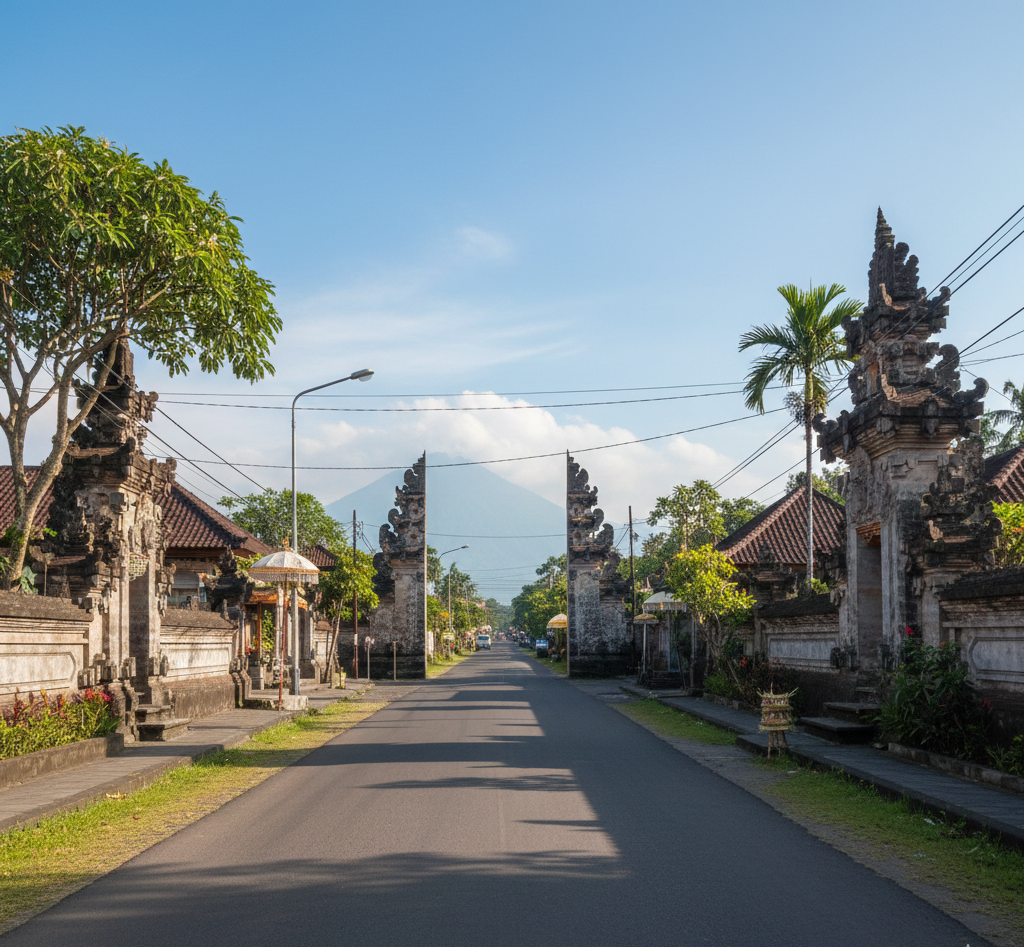
For residents and visitors alike, this means remaining within one’s residence or hotel, keeping noise and lighting to a minimum, and refraining from outdoor activity. Local security officers, known as Pecalang, ensure the observance is respected throughout the island.
It is a collective act of restraint — rare in the modern world.
A spiritual and ecological reset
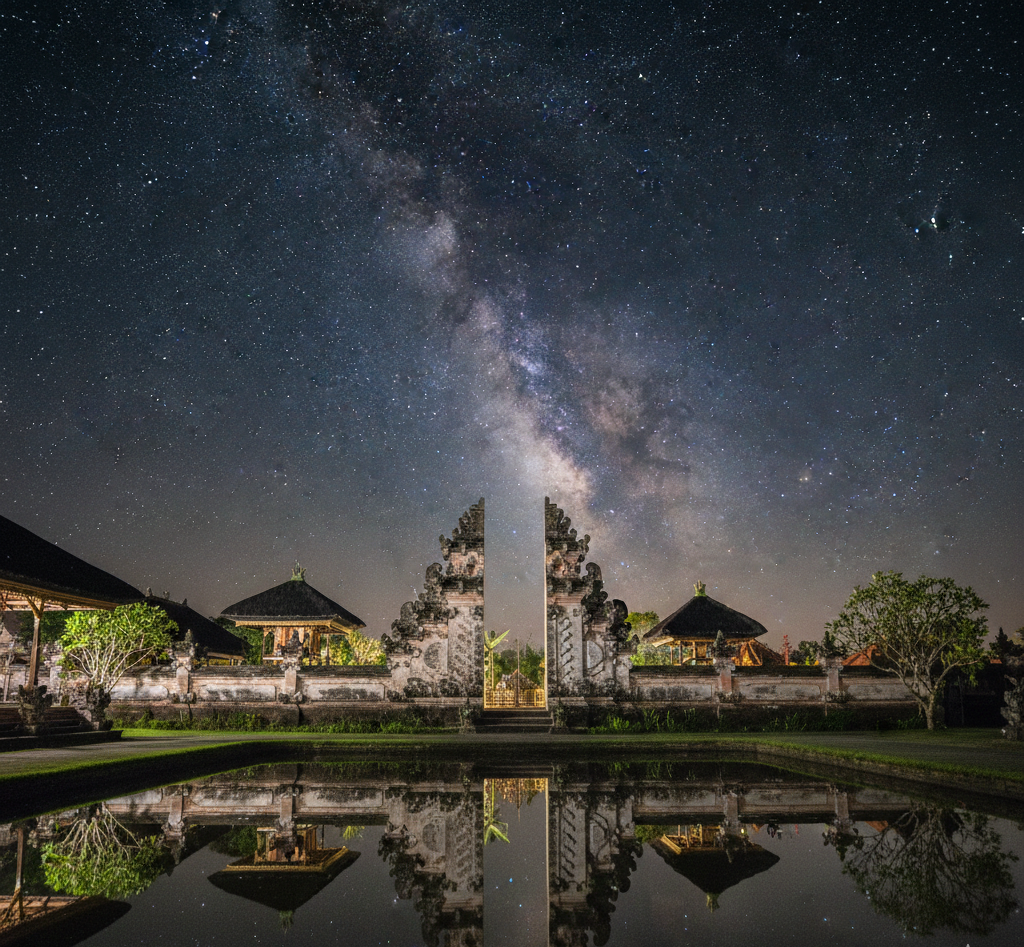
Beyond its religious significance, Nyepi offers something profoundly contemporary: a complete environmental pause. With vehicles off the roads and businesses closed, Bali experiences a dramatic drop in noise and air pollution. The night sky becomes strikingly clear. The island breathes differently.
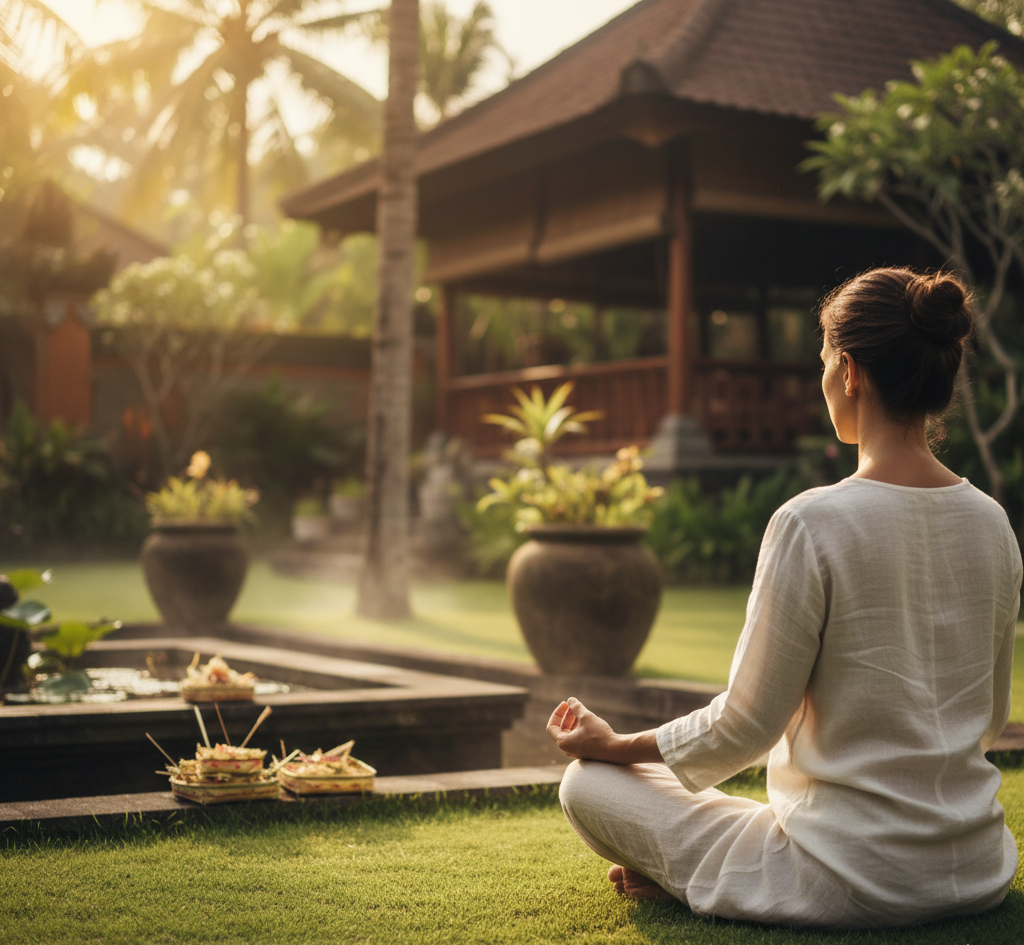
Spiritually, the day is devoted to introspection, meditation and realignment. Rather than celebration through excess, the New Year begins with inward reflection — an elegant reminder that renewal starts in stillness.
In 2026, Nyepi coincides closely with other major spiritual observances such as the end of Ramadan and the Christian Lent season — a rare convergence that reflects Indonesia’s layered spiritual landscape.
Experiencing Nyepi as a Traveler
To be present in Bali during Nyepi is to witness one of the world’s most singular cultural observances. It requires preparation, respect and a willingness to slow down. Guests remain within their residence or hotel, as movement outside is not permitted, yet this apparent restriction often becomes a rare privilege.
Many refined properties and dedicated retreat centers embrace the spirit of the day by offering guided meditation sessions, gentle yoga practices or structured silent retreats aligned with the island’s contemplative atmosphere. For others, Nyepi is simply an invitation to disconnect — to read, reflect, journal or sit in stillness as the world outside falls quiet.
Freed from distraction, from traffic, from digital noise and social obligations, the day offers something increasingly rare: uninterrupted time to reconnect inwardly. In a destination often associated with movement and exploration, Nyepi reveals another face of Bali — one of introspection, balance and quiet depth.
Where to stay for Nyepi
Rivage curates a selection of refined retreats and discreet luxury hotels that honor the spirit of Nyepi while offering comfort, privacy and meaningful immersion.
Discover our recommended meditation retreats and premium properties for Nyepi in our dedicated guide.